- All
- Product Name
- Product Keyword
- Product Model
- Product Summary
- Product Description
- Multi Field Search

Views: 0 Author: Site Editor Publish Time: 2026-03-17 Origin: Site

If you ask most drivers why they’re considering an electric sedan, the first answers are usually smooth acceleration, quiet driving, and lower “fuel” cost. But once the excitement fades, a more practical question shows up quickly: Will this car be cheaper to maintain than my gas car? It’s a fair question, because maintenance is the cost you feel repeatedly—every few months, every service visit, every time a warning light comes on, and every time your car needs to stay in the shop instead of on the road.
From our perspective in the vehicle supply chain, maintenance affordability is not a simple yes-or-no. In many cases, electric sedans do cost less to maintain because they remove entire categories of engine-related service. At the same time, EVs introduce a few new cost areas—tires can wear faster, repairs can be more specialized, and insurance-related repair pathways may differ depending on local service networks. The best way to answer this question is to look at what actually gets serviced, what fails most often, and how a maintenance plan changes when you move from an internal combustion engine to an electric drivetrain.
In this guide, we’ll compare electric sedan maintenance with gas cars in clear, practical terms. We’ll also share what owners and fleet operators can do to keep maintenance predictable and affordable over the long run.
When we talk about “maintenance,” most drivers mean three things:
Scheduled service
Routine items like oil changes, filters, belts, spark plugs, and fluid checks.
Wear items
Tires, brakes, suspension parts, wiper blades, bulbs, and cabin filters—things that wear based on usage.
Repairs
Unexpected failures and component replacements.
Electric sedans and gas cars overlap heavily in wear items, but differ dramatically in scheduled service requirements.
Gas cars rely on engines that generate heat, friction, combustion byproducts, and complex moving assemblies. That creates a long list of routine maintenance items.
An electric sedan eliminates or reduces many of these common services:
engine oil and oil filter changes
spark plugs and ignition components
timing belt/chain-related maintenance (varies by model, but EVs don’t use the same system)
fuel system maintenance (injectors, fuel filters, fuel pumps)
many emission-related components (oxygen sensors, catalytic converters, etc.)
This isn’t just a cost advantage—it’s also a convenience advantage. Fewer scheduled services generally means fewer shop visits and less downtime.
Electric sedans commonly use regenerative braking, where the motor helps slow the vehicle and converts energy back into the battery. In everyday driving, this can reduce how often the friction brakes do heavy work.
Result: many EV owners experience longer brake pad and rotor life compared with similar gas cars—especially in city traffic.
A gas drivetrain includes an engine with many moving parts, plus multi-speed transmissions and complex thermal systems. Electric drivetrains tend to be mechanically simpler in the propulsion path.
That doesn’t mean EVs never need repairs, but it often reduces the number of high-frequency mechanical service events associated with engines and transmissions.
It’s important to stay realistic. EVs don’t magically eliminate all maintenance costs.
Electric sedans are often heavier than comparable gas sedans due to battery weight, and they deliver strong torque instantly. That combination can increase tire wear—especially if the driver accelerates aggressively or uses performance-oriented tires.
Practical takeaway:
tire costs can rise if you prioritize performance driving
careful rotation and alignment become more important
EV high-voltage systems require qualified technicians and specific safety procedures. In regions where EV service networks are still developing, certain repairs may be limited to fewer shops.
This is less about “more frequent repairs” and more about:
availability of trained service
parts lead time
labor rate differences by market
Modern gas cars also use advanced electronics, but EVs may rely more heavily on software, sensors, and power electronics. Most of the time these systems are stable, but when failures occur, diagnosis and replacement may be more specialized.
People often assume the battery is a routine replacement item. In reality, EV traction batteries are designed for long service life, and many owners will not replace them during normal ownership periods.
However, battery-related service can still affect total maintenance affordability in a few cases:
extreme heat exposure without good thermal control
poor charging habits over long periods
accident damage affecting the battery pack area
For most drivers, battery is more of a long-term value consideration than a frequent maintenance event.
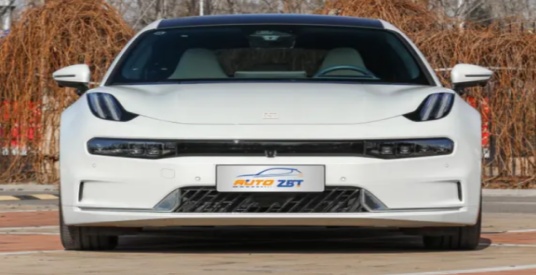
Here is a practical side-by-side view of common maintenance categories.
Maintenance category | Electric sedan | Gas car |
Engine oil and oil filter | Not required | Regular scheduled item |
Spark plugs and ignition | Not required | Regular scheduled item |
Fuel system service | Not required | Possible over time |
Emissions components | Not applicable | Common aging repairs |
Transmission service | Typically simpler | Often more complex |
Brake pads and rotors | Often longer life | Wear depends on driving |
Tires | May wear faster | Normal wear patterns |
Coolant and thermal fluids | Still needed in many EVs | Needed, often more systems |
Cabin air filter | Regular item | Regular item |
Suspension and alignment | Regular item | Regular item |
This table shows the core reason EVs are often cheaper to maintain: they remove multiple high-frequency scheduled service items.
For most owners, the maintenance difference is most visible here:
gas cars typically need oil services multiple times
EVs often need inspections, rotations, cabin filter, and basic checks
This is when gas cars commonly add more scheduled and age-related items:
spark plugs (many models)
belts, gaskets, sensors (varies)
higher chance of cooling system issues
more transmission-related service risk depending on model
EVs in this window often still remain focused on:
tires, alignment, suspension
brakes (often still healthy)
thermal system inspections and coolant service per schedule
software updates and diagnostics
At higher age and mileage, both vehicle types can require more repairs. Gas cars may see increased engine and transmission wear risk. EVs may see more wear in suspension due to weight, and some owners may begin thinking about battery health more seriously.
The key point: EV maintenance tends to be simpler and more predictable, while gas car maintenance tends to become more complex over time.
If you want a realistic answer, you must consider these factors that affect both EVs and gas sedans:
Fast starts, hard braking, and aggressive cornering increase wear items regardless of drivetrain. In EVs, torque makes it easier to burn tires quickly.
Bad roads accelerate suspension wear and increase alignment problems. This affects EVs and gas cars similarly.
Heat and humidity can impact rubber components, wipers, seals, and electronics. Cold weather can increase energy consumption and place different demands on thermal systems.
Regular rotations, correct tire pressure, and timely inspections reduce long-term cost far more than many drivers expect.
The maintenance question is ultimately about what you’re paying for over years of ownership. Gas sedans carry ongoing engine and fuel-system service needs that build up steadily—oil changes, filters, ignition service, and more moving parts that can age into repairs. Electric sedans remove much of that routine work, which is why many owners experience lower maintenance costs and fewer scheduled shop visits. At the same time, EV maintenance shifts attention toward tires, suspension, thermal management, and having the right service support network.
At Fuzhou ZBT Supply Chain Management Co.,Ltd., we work with customers who evaluate vehicle choices and ownership economics with a long-term view. If you want to compare electric sedan maintenance expectations by model class, usage scenario, or regional service availability, you are welcome to reach out and learn more about practical ownership planning and supply chain support options.
In many cases yes because electric sedans eliminate oil changes and several engine-related service items while often extending brake life through regenerative braking.
Electric sedans still need tire rotations, alignment checks, cabin air filters, brake inspections, and scheduled thermal system or coolant service depending on the model.
Electric sedans can be heavier and deliver instant torque, which can increase tire wear especially with aggressive acceleration or performance tire choices.
For most owners battery replacement is not routine maintenance. Battery health is typically a long-term consideration, while most regular costs come from tires and general wear items.


