- All
- Product Name
- Product Keyword
- Product Model
- Product Summary
- Product Description
- Multi Field Search

Views: 0 Author: Site Editor Publish Time: 2026-05-04 Origin: Site

As the automotive world rapidly embraces electrification, SUVs are no exception. The rising popularity of electric and hybrid SUVs provides buyers with more environmentally conscious and efficient options. Choosing the right vehicle, however, can be complex, involving battery size, charging infrastructure, driving range, and maintenance requirements. Understanding the differences between fully electric SUVs, hybrid SUVs, and plug-in hybrid SUVs is essential for consumers who want to balance performance, cost, and practicality.
An Electric SUV (EV) is a fully battery-powered vehicle that relies entirely on one or more electric motors to drive the wheels. Unlike conventional vehicles, it does not use gasoline or diesel fuel and depends solely on electricity stored in high-capacity battery packs. This fundamental difference changes the way the vehicle operates, from acceleration to energy efficiency, and reduces the reliance on fossil fuels.
Electric SUVs offer unique performance advantages. Instant torque from the electric motors provides immediate acceleration, delivering a responsive and enjoyable driving experience. The absence of a traditional engine results in quiet operation, creating a smoother and more comfortable ride. Additionally, Electric SUVs have fewer moving parts than combustion engines, which reduces wear and tear and lowers long-term maintenance costs.
Electric SUVs produce zero tailpipe emissions, helping reduce urban air pollution. When charged using renewable energy sources, such as solar or wind power, they can dramatically reduce greenhouse gas emissions compared to traditional gasoline-powered vehicles.
Despite these benefits, there are trade-offs. Large battery packs add significant weight, which can affect handling and energy efficiency. Battery technology also makes EVs more expensive upfront. Although ranges are steadily improving, some models may require careful trip planning to avoid running out of charge. Finally, the environmental cost of producing lithium-ion batteries—through mining and manufacturing—must be considered when assessing overall sustainability.
Hybrid SUVs combine a conventional internal combustion engine (ICE) with one or more electric motors. The ICE and motors work together to optimize fuel efficiency, with regenerative braking capturing energy lost during deceleration.
Hybrid SUVs have smaller batteries than fully electric SUVs, which reduces manufacturing costs and lessens environmental impact. These vehicles still rely partially on gasoline, but their combined engine and motor system reduces fuel consumption compared to conventional SUVs.
Hybrid SUVs offer flexibility by allowing drivers to switch between gasoline and electric power, extending range while still benefiting from partial electric operation. Smaller batteries require fewer raw materials and less energy to produce, further minimizing environmental impact. Regenerative braking and electric assist provide moderate efficiency gains, reducing overall fuel consumption.
Hybrids remain dependent on fossil fuels, contributing to greenhouse gas emissions. Engine maintenance is still required, unlike fully electric vehicles, which may increase long-term upkeep costs.
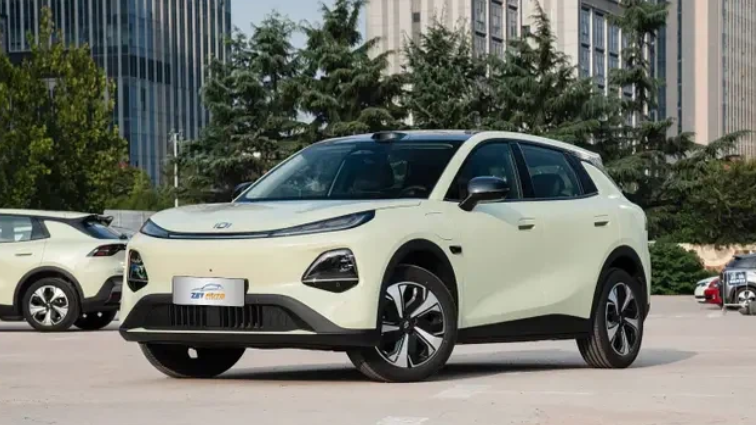
A plug-in hybrid SUV (PHEV) is a hybrid vehicle equipped with a larger battery and an external charging port. This design allows for extended electric-only driving between gasoline refills, offering a bridge between conventional hybrids and fully electric vehicles.
PHEVs are ideal for consumers transitioning to full electrification. They can complete many daily trips on electricity alone, reducing fuel costs and emissions. When longer trips are needed, the gasoline engine provides backup power, eliminating range anxiety.
Plug-in hybrids are more expensive than traditional hybrids and rely on access to charging infrastructure to maximize benefits. Without regular charging, the vehicle functions primarily as a conventional hybrid, reducing its efficiency and environmental advantages.
Electric SUVs are known for their impressive performance, particularly in acceleration. Electric motors deliver high torque instantly, allowing for rapid and smooth takeoff without the delay experienced in traditional engines. This instant torque contributes to a responsive and enjoyable driving experience, especially in urban traffic or merging onto highways. Ride quality is another strong point of Electric SUVs: the absence of engine noise and vibrations creates a quiet, smooth driving experience, making daily commutes more comfortable. Energy efficiency is inherently higher in EVs because electric motors convert a large portion of energy from the battery directly into motion, minimizing energy losses compared to internal combustion engines. Maintenance is also simplified, as Electric SUVs have fewer moving parts, reducing wear on components and lowering long-term upkeep costs.
Hybrid SUVs offer a balance between conventional and electric driving. Acceleration is generally moderate, with the gasoline engine providing additional power when needed, while the electric motor assists to improve responsiveness. Fuel efficiency is better than conventional gas-powered SUVs, particularly in city driving or low-speed conditions where the electric motor can handle much of the load. However, hybrid vehicles are generally less energy-efficient than full Electric SUVs when operating solely in electric mode. The key advantage of hybrids is flexibility: they can switch between gasoline and electric power depending on driving conditions, providing extended range and eliminating range anxiety associated with fully electric vehicles.
Battery placement and vehicle weight significantly impact driving dynamics for both Electric and hybrid SUVs. Electric SUVs typically have large battery packs mounted low in the chassis, lowering the center of gravity. This design improves stability and cornering performance, making them feel agile despite their larger size. Hybrids must balance battery placement with the internal combustion engine, often resulting in a slightly higher center of gravity and a different weight distribution. While still capable, this can affect handling and ride comfort, particularly during sharp turns or aggressive driving maneuvers.
Electric SUVs typically have higher upfront costs compared to hybrid SUVs, largely due to the expense of large battery packs and advanced electric drivetrains. Hybrids, with smaller batteries and traditional engines, are generally more affordable at purchase, making them appealing to budget-conscious buyers or those seeking a gradual transition to electrification.
Electric SUVs are cheaper to operate, especially when home charging is available, as electricity is usually less expensive and more stable in price than gasoline. In contrast, hybrid SUVs rely partially on fuel, which increases ongoing operating costs despite improved fuel efficiency compared to conventional vehicles.
Electric SUVs require less routine maintenance because they lack oil, spark plugs, timing belts, and complex exhaust systems. Hybrid vehicles still maintain engine components, so some traditional maintenance remains necessary, though less frequently than conventional SUVs.
Insurance for Electric SUVs may be higher due to the potential cost of battery replacement and specialized repairs. Hybrid vehicles generally have lower repair costs but still require servicing for both the internal combustion engine and electric motor systems, which affects overall ownership expenses.
Feature | Electric SUV | Hybrid SUV | Plug-In Hybrid SUV |
Battery Size | Large (50–100+ kWh) | Small (1–2 kWh) | Medium (10–20 kWh) |
Electric Range | 250–500 km | 20–50 km | 50–80 km |
Charging Options | Home AC, public DC fast chargers | Minimal, regenerative only | Home AC, some public DC |
Charging Time | 0.5–10 hours depending on charger | N/A | 1–6 hours |
Gasoline Dependence | None | High | Moderate |
Daily Trip Suitability | Excellent for urban use | Limited for electric-only trips | Good for daily electric trips |
Long-Distance Trips | Requires planned charging | Engine provides flexibility | Engine assists beyond battery range |
Cost per 100 km | Low (electricity) | Moderate (gasoline) | Moderate (electric + gas) |
Consider how far you travel daily. Urban commuters benefit most from Electric SUVs, while suburban or rural drivers may prefer hybrids for gasoline backup.
Electric SUVs require reliable access to charging infrastructure. Home charging is ideal, supplemented by public fast charging for longer trips. Hybrids and plug-in hybrids provide flexibility if charging is limited.
· Electric SUVs: Higher upfront cost, lower operational cost.
· Hybrid SUVs: Moderate purchase price, moderate operational cost.
· Plug-in Hybrids: Middle ground, balancing cost and electric usage.
· Urban residents may prioritize zero emissions and efficiency, favoring Electric SUVs.
· Buyers focused on transitional electrification with occasional long trips may choose plug-in hybrids.
Q1: Are electric SUVs more expensive to maintain than hybrid SUVs?
A: No, EVs generally have lower maintenance costs due to fewer moving parts.
Q2: Can hybrid SUVs fully replace EVs in reducing emissions?
A: They reduce emissions compared to conventional vehicles, but EVs offer zero local emissions if electricity is renewable.
Q3: Do plug-in hybrids require special charging equipment?
A: Standard Level 2 chargers are sufficient, though faster charging may require specific infrastructure.
Q4: Which SUV type offers the best fuel or energy efficiency?
A: Electric SUVs provide the highest efficiency per kilometer, while hybrids offer moderate gains over traditional SUVs.
Q5: Are EV batteries durable over time?
A: Modern EV batteries are designed for long-term durability, typically lasting 8–10 years with proper care.
Electric SUVs and hybrid SUVs each offer distinct advantages based on user needs. Electric SUVs excel in performance, efficiency, and urban commuting, delivering instant torque and lower long-term operating costs. Hybrid and plug-in hybrid SUVs provide greater flexibility, lower upfront costs, and a transitional electric driving experience. Choosing the right vehicle depends on factors such as driving habits, charging access, budget, and environmental priorities. For businesses and consumers seeking professional guidance on selecting the most suitable SUV type, Fuzhou ZBT Supply Chain Management Co., Ltd. provides expert insights, tailored recommendations, and reliable solutions. Visit their website or contact them directly to explore options that balance performance, cost, and sustainability, ensuring a smart and informed SUV investment.


