- All
- Product Name
- Product Keyword
- Product Model
- Product Summary
- Product Description
- Multi Field Search

Views: 0 Author: Site Editor Publish Time: 2026-07-31 Origin: Site

The global cross-border trade of motor vehicles requires strict capital allocation; selecting the wrong vehicle class can erode profit margins through inflated shipping costs and destination-country tariffs. Auto exporters and international dealers must balance acquisition costs, logistical efficiency, and strict customs compliance, such as title clearance and emissions standards, to maintain a profitable inventory pipeline. While SUVs and commercial trucks offer high per-unit revenue, SEDAN Cars consistently provide a lower-barrier, high-liquidity asset class for global markets. This guide evaluates the technical, logistical, and financial viability of building an export strategy around sedans.
Logistical Density: Sedans maximize shipping efficiency, allowing for multi-vehicle container packing (up to 4-6 units per 40ft High Cube) and lower Roll-on/Roll-off (RoRo) dimensional rates.
Regulatory Predictability: Standardized engine displacements in sedans often fall below punitive luxury or heavy-vehicle import tax thresholds in emerging markets.
Consistent Global Demand: Budget and mid-range sedans drive steady volume for overseas dealers supplying taxi fleets, ride-share operators, and middle-class consumer segments.
Clear Clearance Protocols: Exporting sedans requires rigorous documentation—primarily the original Certificate of Title—to clear origin customs (e.g., US CBP) and satisfy destination import laws.
Framing the decision to export vehicles depends heavily on destination market maturity, road infrastructure, and fuel economy requirements. Sedans fit perfectly into regions where consumers prioritize daily commuting efficiency over off-road capability. The lower ground clearance and lighter curb weight make them ideal for urban environments with paved roads. When evaluating the export use case, dealers must analyze local fuel costs. Markets with high petrol prices naturally gravitate toward smaller, aerodynamic vehicles that offer superior mileage.
There is immense demand for durable sedans in overseas taxi, ride-hailing, and corporate fleets. Operators require vehicles that can withstand heavy daily mileage while keeping maintenance costs low. Evaluating lifecycle costs, parts availability, and global component interchangeability serves as a primary driver for overseas buyers. When a specific sedan model shares parts with domestic variants, fleet managers can source brake pads, filters, and suspension components locally. This interchangeability drastically reduces vehicle downtime, making standard sedans highly attractive to commercial buyers.
Assess the local availability of replacement parts for the specific make and model in the destination country.
Verify that the engine and transmission configurations match those historically sold in the target region to ensure mechanic familiarity.
Target models known for high-mileage durability, specifically those utilizing timing chains rather than timing belts to reduce maintenance overhead.
Assessing the risk-to-reward ratio of exporting high-volume economy sedans versus low-volume luxury sedans dictates inventory strategy. Budget sedans move quickly. They appeal to the growing middle class in emerging markets seeking reliable private transport. Luxury sedans yield higher margins per unit but carry significant holding costs and face steeper import duties. Engine displacement plays a major role here. Typically ranging from 1.5L to 2.5L, standard sedan engines align well with fuel prices and consumer purchasing power in target regions. Larger engines often trigger heavy taxation, suppressing end-user demand.
Different sourcing hubs offer distinct advantages based on the destination market's driving orientation and regulatory framework. You must align your purchasing strategy with the specific legal requirements of the importing nation.
Japan (RHD): High-quality, low-mileage commuter sedans favored in East Africa and parts of Asia-Pacific. Strict domestic inspection laws ensure these vehicles remain in excellent mechanical condition.
United States (LHD): Large-engine and premium LHD sedans suited for South America, West Africa, and the Middle East. The sheer volume of the US market provides ample supply across all trim levels.
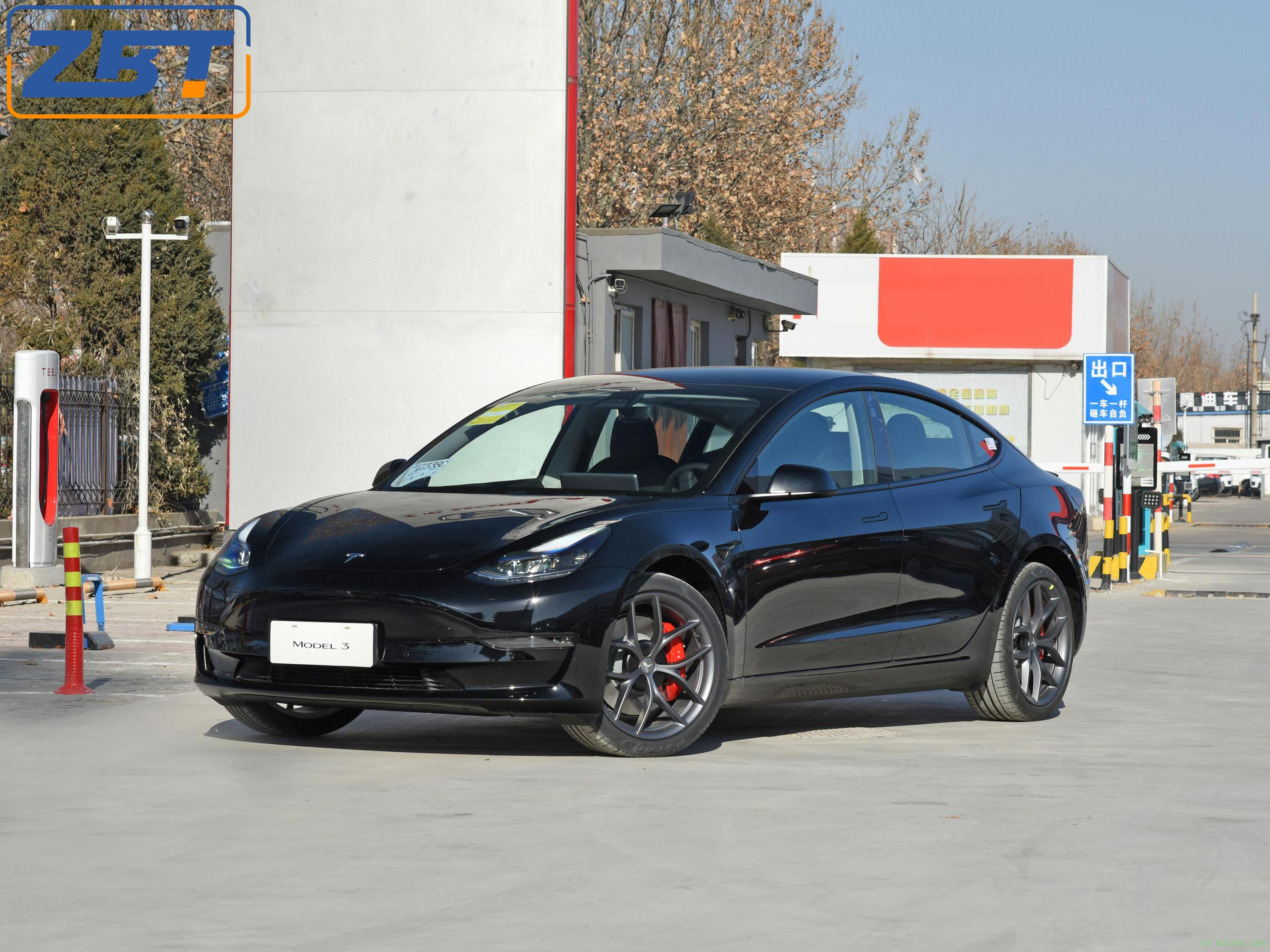
China: The rapid rise of Chinese new energy (EV/Hybrid) and budget-friendly gasoline sedans is filling inventory gaps for global dealers. These vehicles offer modern technology and aggressive acquisition costs.
Ocean freight represents a massive variable in international auto trade. Optimizing how vehicles are loaded and transported directly impacts the bottom line. Sedans offer unique geometric advantages over larger vehicle classes, allowing exporters to maximize the utility of every square foot of shipping space.
The lower roofline and standard wheelbase of sedans allow for custom racking systems inside shipping containers. Exporters can utilize specialized steel or wooden ramps to angle vehicles, maximizing units per TEU or FEU (Twenty/Forty-Foot Equivalent Unit). Packing four to six sedans into a single 40-foot High Cube container drastically reduces the shipping cost per unit. Alternatively, RoRo freight costs are calculated based on cubic volume (CBM). The compact footprint of sedans reduces per-unit shipping expenses compared to SUVs or vans, making RoRo an attractive option for high-volume, uncontainerized routes.
Shipping Method | Ideal Volume | Damage Risk | Cost Efficiency for Sedans |
|---|---|---|---|
40ft HC Container (Racked) | 4 to 6 Units | Low (Sealed transit) | Excellent (Costs split across multiple units) |
20ft Container | 1 to 2 Units | Low (Sealed transit) | Poor (High per-unit cost) |
RoRo (Roll-on/Roll-off) | Single or Fleet | Medium (Exposed handling) | Good (Based strictly on CBM) |
Evaluating the cost of domestic auto transport from auction houses to export terminals is a necessary step in margin calculation. Multi-car carriers charge based on weight and space. The lighter curb weight of sedans allows domestic haulers to load more vehicles onto a single trailer without exceeding highway weight limits. This efficiency translates to lower inland freight costs. Furthermore, terminal handling fees at the port are often tiered by vehicle size. Sedans typically fall into the lowest tier, preserving capital during the staging phase.
Analyzing the profitability of exporting a single or double-car shipment versus high-volume containerized shipments reveals stark contrasts in viability. Micro-exporting incurs heavy per-unit penalties. Ocean freight overhead costs, including documentation, port fees, and customs clearance, disproportionately impact low-volume sedan shipments. Scaling up to fill entire containers spreads these fixed administrative costs across multiple units. To successfully Export Sedan Cars, operators must eventually transition from single-unit transactions to consolidated multi-vehicle shipments.
Moving vehicles across borders involves strict regulatory oversight. Failure to comply with origin or destination laws results in seized assets, compounding storage fees, and total loss of capital. You must establish a rigid compliance checklist for every unit purchased.
The physical, unencumbered Certificate of Title is mandatory for customs clearance in jurisdictions like the US, regardless of the vehicle's economic value or salvage status. Customs agencies require proof of clear ownership to prevent the export of stolen assets or vehicles with active liens. Exporters must navigate the 72-hour pre-export notice and physical validation processes at major international ports. This requires delivering the vehicle and original title to the port days before the vessel departs for inspection and stamping.
Destination countries enforce their own set of strict rules to protect local industries and the environment. You must verify these regulations before bidding on any inventory.
Age Limits: Many nations prohibit the import of vehicles over a certain age, commonly capping entry at 3, 5, or 10 years from the date of manufacture.
Emissions and Safety Standards: Anticipating shifts in global regulations is vital. Exporters must ensure selected sedans meet Euro emission equivalents or local environmental benchmarks.
Right-Hand Drive (RHD) vs. Left-Hand Drive (LHD): Matching origin supply with destination legal frameworks is absolute. Importing an LHD vehicle into a strict RHD country will result in immediate rejection at the port.
Global trade policies are never static. Preparing for the 2026 Chinese export policy modifications for used passenger vehicles will be necessary for those sourcing from Asia. These changes will impact the global supply chain, altering available inventory and compliance documentation. Simultaneously, stricter environmental mandates in developing nations are targeting older internal combustion engine (ICE) sedans. Exporters must pivot toward newer, cleaner models to avoid stranded inventory at destination ports.
Securing a reliable pipeline of vehicles at the right acquisition cost is the foundation of a profitable export operation. This requires access to restricted wholesale networks and a sharp eye for vehicle condition.
Evaluating major global sourcing hubs in Japan, the US, and China provides a steady stream of consistent sedan inventory. However, overcoming barriers to entry takes time. Buyers must secure necessary business licenses, export licenses, and auction access credentials. Partnering with established local brokers can expedite this process, granting immediate access to dealer-only platforms where the best inventory is traded before reaching the public market.
Establishing strict criteria for physical condition, frame damage, and salvage titles prevents costly mistakes. A vehicle that looks fine in photos may have hidden structural damage that renders it illegal to import in the destination country. Furthermore, understanding how destination customs assess vehicle value for duty calculation is critical. Some customs authorities use the transaction value on the commercial invoice, while others rely on standardized book values. Miscalculating this duty assessment directly impacts the buyer's bottom line and can kill a deal mid-transit.
Mitigating trust barriers when selling exported sedans to overseas dealers and private buyers requires transparency. Buyers are sending large sums of capital across borders for unseen assets. Leveraging established trade platforms, setting up escrow systems, and developing localized agent networks helps secure reliable buyer channels. Providing high-resolution photos, detailed inspection reports, and video walk-arounds builds the necessary confidence to close international sales.
Capital allocation requires comparing the financial dynamics of sedans against other vehicle types. Each class presents different cash flow implications and risk profiles.
Lower per-unit profit on sedans necessitates higher volume throughput compared to heavy machinery or luxury SUVs. However, sedans offer superior liquidity. The cash flow implications of turning over sedan inventory rapidly often outweigh the benefits of holding high-value, slow-moving assets. A dealer can sell five budget sedans in the time it takes to find a qualified buyer for one luxury SUV, keeping capital fluid and reducing storage overhead.
Budgeting for initial business overhead includes surety bonds, port registration fees, and marine cargo insurance. The low capital requirements per unit of sedans allow new exporters to launch with minimal financial exposure. Purchasing a batch of economy sedans requires a fraction of the capital needed for commercial trucks, making it an ideal entry point for scaling an international auto trade operation.
Vehicle Class | Acquisition Capital Required | Shipping Efficiency (Container) | Import Duty Risk | Market Liquidity |
|---|---|---|---|---|
Sedans | Low to Medium | High (4-6 units per 40ft) | Low (Standard engines) | Very High |
SUVs | Medium to High | Medium (2-3 units per 40ft) | Medium to High | Medium |
Commercial Trucks | High | Low (Often RoRo only) | Variable (Weight-based) | Low |
Destination countries structure import duties based on vehicle type, weight, and engine size. The standardized specifications of sedans often bypass luxury taxes, making them more competitive for the end buyer. A 1.8L sedan will incur significantly lower duties than a 3.5L SUV, keeping the final landed cost within reach of the target consumer demographic.
Supply chain delays, currency fluctuations, and port congestion can eat into margins rapidly. Mitigating these risks involves partnering with specialized auto freight forwarders who understand specific port dynamics. Utilizing letters of credit protects capital during transit, and maintaining diverse sourcing channels ensures that a localized supply shortage does not halt the entire export operation.
Establish direct relationships with licensed customs brokers in your primary destination ports to ensure smooth clearance.
Secure dealer credentials and auction access in high-volume sourcing markets like Japan, the US, or China.
Initiate a targeted buyer acquisition campaign focusing on overseas fleet operators and regional dealerships.
Finalize a logistics framework, choosing between RoRo and containerized shipping based on your specific volume and destination routes.
A: The original Certificate of Title is the most critical document, proving clear ownership without liens. You also need a Bill of Sale, an Export Declaration, and a commercial invoice. Customs authorities require these to verify the vehicle is legally eligible to leave the origin country.
A: RoRo is generally cheaper for single units due to straightforward CBM calculations. However, container shipping becomes highly cost-effective for sedans when utilizing multi-car racking systems, allowing you to fit up to six vehicles in a single 40-foot container.
A: Many importing countries levy heavy taxes on large engines. Sedans typically feature smaller engines, keeping import duties manageable for the end buyer. This lower landed cost directly increases the vehicle's marketability and your overall profitability.
A: While origin countries like the US may allow salvage exports under specific customs guidelines, many destination countries strictly prohibit the importation of salvage, rebuilt, or flood-damaged vehicles. Always verify destination laws before purchasing salvage inventory.
A: Globally recognized, durable models like the Toyota Corolla, Honda Civic, and Nissan Sentra dominate the export market. Overseas buyers prioritize these models for their widespread parts availability, ease of maintenance, and longevity in taxi and daily use.
A: Shifts in origin country policies, such as China's evolving export frameworks, or tightening global emission standards require exporters to continuously audit their inventory. Vehicles that fail to meet new environmental benchmarks risk being rejected at destination ports.
A: The main challenges include establishing proper licensing, securing entry to wholesale dealer auctions, managing upfront logistics capital for freight, and finding reliable overseas buyers to build a consistent, trustworthy trading loop.


