- All
- Product Name
- Product Keyword
- Product Model
- Product Summary
- Product Description
- Multi Field Search

Views: 0 Author: Site Editor Publish Time: 2026-08-04 Origin: Site

Choosing the right vehicle requires aligning your daily driving realities with physical automotive capabilities. While the automotive market heavily promotes SUVs and crossovers, SEDAN Cars remain the benchmark for driving dynamics, aerodynamic efficiency, and practical utility. Buyers frequently misjudge their actual space requirements. They focus on rare edge cases instead of daily routines, leading to selecting vehicle classes they do not actually need. This forces compromises on ride quality, fuel economy, and long-term vehicle adaptability.
Establishing a structured evaluation framework is essential. You must assess vehicle classes, technical performance metrics, and future lifestyle compatibility. This approach ensures a data-backed purchasing decision that aligns with real-world usage. By focusing on ergonomics, noise mitigation, and physical cargo constraints, you can identify a vehicle that delivers consistent daily utility without unnecessary bulk.
Match Class to the 90% Use Case: Select your vehicle size based on your daily commuting realities and immediate family size rather than the 10% edge case of annual road trips.
Prioritize NVH and Ergonomics Over Raw Output: For daily driving, Noise, Vibration, and Harshness (NVH) dampening, sound system quality, and driver seat adaptability yield higher long-term satisfaction than peak horsepower.
Evaluate Future-Proof Adaptability: Choose a sedan car that meets both current and projected needs (such as family growth or changing commutes) over a 5-to-7-year ownership cycle to avoid premature trade-ins.
Execute a Structured Test Drive: Mitigate adoption risk by testing the vehicle on familiar road types, verifying infotainment usability, and physically testing cargo constraints.
Defining success criteria is the first step in the selection process. You must understand what makes traditional passenger cars the optimal choice for specific buyer profiles. Alternative body styles like SUVs or trucks offer different advantages, but they often compromise on efficiency, handling, and ease of access. When you evaluate the physical architecture of a standard passenger car, the benefits become clear across several engineering disciplines.
Aerodynamic efficiency heavily favors lower vehicles. Lower drag coefficients inherently provide better highway fuel economy. They also reduce wind noise compared to taller vehicles. This aerodynamic advantage becomes highly noticeable at highway speeds. It directly impacts cabin quietness and fuel consumption over long distances. A vehicle that sits closer to the ground displaces less air, meaning the engine does not have to work as hard to maintain a constant speed of 70 mph. This physical reality translates directly into fewer stops at the gas station and a quieter environment for hands-free phone calls or listening to audio.
Furthermore, the frontal surface area of a standard passenger car is significantly smaller than that of a crossover. Engineers spend hundreds of hours in wind tunnels refining the front fascia, hood slope, and windshield rake to ensure air flows smoothly over the cabin. This reduces the turbulent wake left behind the vehicle, which is a primary source of aerodynamic drag. When you commute 50 miles a day on the interstate, these aerodynamic efficiencies compound rapidly.
Driving dynamics and safety also benefit from a lower stance. A lower center of gravity translates to superior handling and reduced body roll. It allows for shorter braking distances. This physical design results in a significantly lower risk of rollover incidents during evasive maneuvers. The vehicle stays planted on the road. When you need to swerve suddenly to avoid road debris or a merging vehicle, a lower center of gravity keeps the weight distributed more evenly across all four tires, maintaining traction and driver control.
Suspension geometry in lower vehicles can be tuned for a better balance of comfort and responsiveness. Because engineers do not have to compensate for a high center of gravity with overly stiff springs, they can utilize multi-link setups that absorb road imperfections while keeping the tire contact patch firmly on the pavement. This results in a ride that feels secure and predictable, regardless of weather conditions or road surface degradation.
Future lifestyle adaptability remains a core evaluation point. You need to assess how well the vehicle can adapt to changing life stages. This includes accommodating rear-facing child seats or transitioning to new commuting patterns. It also involves handling aging family members who benefit from easy-entry seat heights rather than climbing into high-clearance SUVs or dropping down into low-slung sports cars. The hip-point (H-point) of a standard passenger car is often at the perfect height for an average adult to simply slide into the seat without stepping up or crouching down.
Consider the physical dimensions of child safety seats. Modern convertible car seats are bulky. A vehicle must have enough distance between the rear seatback and the front seats to accommodate these devices without forcing the driver or front passenger to sit with their knees against the dashboard. Evaluating the rear door aperture is equally important; a wider opening makes maneuvering a child into a seat much less strenuous on your lower back.
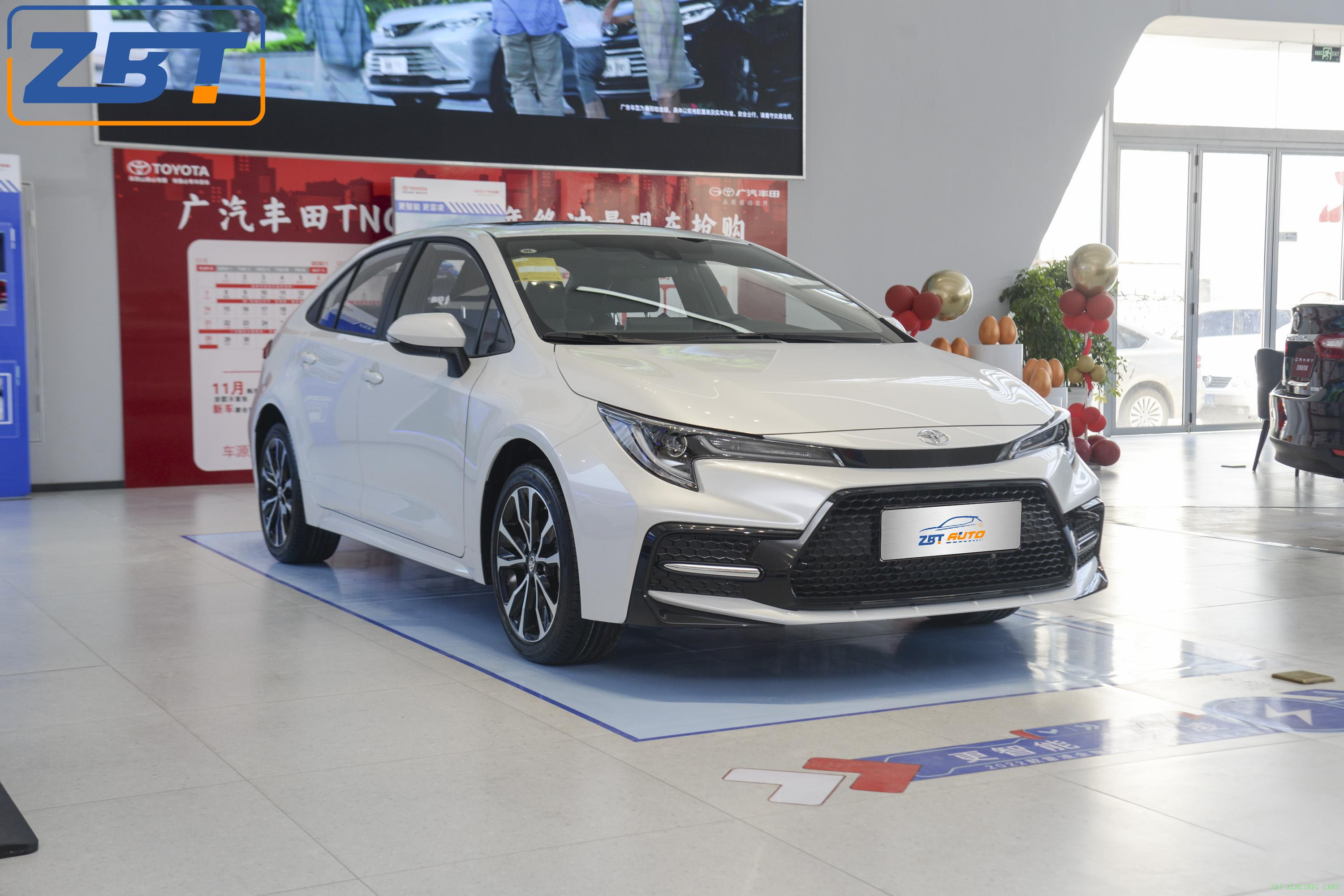
Breaking down the market into standardized classifications helps match spatial needs with practical constraints. Selecting the right size prevents parking difficulties and ensures adequate passenger volume. The market is generally divided into three main categories, each serving a distinct primary use case.
Vehicle Category | Primary Use Case | Key Advantages | Notable Trade-offs |
|---|---|---|---|
Compact | Solo commuting, urban driving | High maneuverability, excellent fuel economy, easy parking | Limited rear legroom, firmer ride, higher highway wind noise |
Midsize | Small families, highway cruising | Balanced power/efficiency, adequate rear space, smooth ride | Larger footprint, base engines may feel sluggish when fully loaded |
Full-Size / Luxury | Executive transport, high-mileage comfort | Maximum NVH mitigation, premium audio, expansive rear volume | Lower fuel economy, complex maintenance, difficult urban parking |
A Compact Sedan Car excels in tight environments. These vehicles are ideal for solo commuters and urban environments with restricted parking. They prioritize fuel economy and maneuverability. When evaluating this class, assess rear legroom viability for occasional passengers. You must also verify trunk capacity for routine errands. The shorter wheelbase allows for a tighter turning radius, making U-turns and parallel parking significantly easier in congested city centers.
There are physical trade-offs to consider. Smaller vehicles may exhibit higher highway wind noise. They often have firmer ride qualities due to shorter wheelbases and lighter curb weights. The suspension must manage road imperfections with less travel distance. To mitigate this, pay close attention to the tire sidewall height during your evaluation. Low-profile tires on large wheels will exacerbate a firm ride, whereas smaller wheels with thicker tire sidewalls will absorb more impact harshness before it reaches the cabin.
Midsize vehicles serve as the primary household workhorse. They are ideal for small families and frequent highway cruisers. You should look for optimal power-to-weight ratios. This ensures highway merging capabilities without sacrificing efficiency. Always check for fold-down rear seats to maximize utility for longer items. The midsize segment hits the sweet spot for many buyers, offering enough width to comfortably seat two adults in the back without rubbing shoulders, and enough trunk depth to handle a week's worth of groceries alongside a stroller.
The larger footprint requires more parking space. Base engine options may feel underpowered under full passenger loads. Upgrading the powertrain often resolves this, but it alters the vehicle's efficiency profile. When testing a midsize option, simulate a heavy load. If you frequently drive with passengers and cargo, a naturally aspirated four-cylinder engine might struggle on steep inclines, whereas a turbocharged variant or a V6 will provide the necessary torque to maintain speed without excessive downshifting.
Full-size models prioritize executive transport and high-mileage comfort. Buyers requiring maximum rear-seat volume gravitate toward this segment. You must scrutinize adaptive suspension systems and advanced acoustic insulation. Look for double-paned glass, custom driver seat profiles, and premium audio systems. These vehicles are designed to isolate occupants from the outside world, utilizing active noise cancellation and heavy sound-deadening materials in the floorpans and doors.
These vehicles carry increased maintenance complexity. Complex electronic, safety, and suspension systems require specialized servicing. Air suspension systems, while providing a cloud-like ride, involve compressors and airbags that eventually require replacement. Fuel economy generally drops due to heavier curb weights and larger displacement engines required to move that mass effortlessly.
Translating technical specifications into real-world driving benefits prevents buyer remorse. You must evaluate the mechanical and interior components that dictate daily satisfaction. A vehicle might look appealing on a spec sheet, but physical interaction is the only way to verify its suitability for your specific needs.
Engine performance dictates drivability. Evaluate low-end torque for city driving responsiveness. Assess mid-range power for highway passing capabilities. Peak horsepower matters less than where the power arrives in the RPM band. A vehicle with 200 horsepower that delivers its peak torque at 2,000 RPM will feel significantly faster and more responsive in city traffic than a vehicle with 250 horsepower that requires you to rev the engine to 5,000 RPM to feel the acceleration.
Transmission types drastically alter the driving experience. Understand the behavioral differences between Continuously Variable Transmissions (CVTs) and traditional torque-converter automatics. CVTs maximize efficiency by keeping the engine in its optimal power band, but they can drone under heavy acceleration, a phenomenon known as the "rubber-band effect." Traditional automatics offer smooth, predictable gear changes. Dual-clutch systems provide rapid shifts for performance driving but may stutter or hesitate at low speeds, particularly in stop-and-go traffic.
Handling relies heavily on suspension architecture. Differentiate between torsion beam rear suspensions and multi-link independent setups. Torsion beams are common in entry-level models; they are compact and durable but can cause the rear end to skip over mid-corner bumps. Independent or adaptive suspension setups allow each wheel to articulate separately, which is vastly superior for maintaining traction on uneven surfaces and ensuring high-speed stability.
NVH mitigation separates premium experiences from basic transport. Assess the vehicle's ability to isolate the cabin from tire roar, engine drone, and wind noise at speeds exceeding 65 mph. Quiet cabins reduce driver fatigue on long trips. Pay attention to the type of tires fitted to the vehicle; aggressive tread patterns generate more noise. Look for felt-lined wheel wells and thick door seals, which are physical indicators of good NVH engineering.
Driver ergonomics require physical testing. Evaluate the tilt and telescopic steering wheel range. Check the pedal reach and driver seat memory settings. Seat foam density matters immensely. Proper support prevents fatigue across drivers of varying heights. A seat that feels plush in the showroom might cause lower back pain after two hours of driving if it lacks proper lumbar support and firm side bolsters.
Infotainment integration impacts daily usability. Analyze the audio system’s performance and speaker placement. Ambient noise isolation ensures clear acoustics during hands-free calls. High-fidelity media playback requires a well-insulated cabin. Test the system with your own device, playing a familiar track to gauge bass response and vocal clarity without distortion at higher volumes.
Visibility is a critical safety factor. Check A-pillar thickness and side mirror size. Rear window rake can create significant blind spots in modern aerodynamic designs. Ensure you can see clearly over your shoulder. Thick C-pillars, designed to meet roof-crush safety standards, often obscure the rear three-quarter view, making lane changes more reliant on electronic blind-spot monitors.
Active safety verification is non-negotiable. Ensure the presence of critical systems like Automatic Emergency Braking (AEB), Blind Spot Monitoring, and Adaptive Cruise Control. These systems act as a vital safety net, reacting faster than human reflexes in emergency situations.
System calibration varies wildly between manufacturers. Evaluate how aggressively or smoothly the Lane Keeping Assist intervenes. Some systems gently nudge the steering wheel, while others abruptly brake individual wheels, which can be startling. Adaptive braking systems should operate smoothly during normal driving without jarring the passengers when the vehicle ahead slows down.
Crash test integrity validates manufacturer claims. Cross-reference the vehicle's structural design with current IIHS Top Safety Pick+ and NHTSA 5-star ratings. Physical crashworthiness remains the ultimate protection. Look for features like knee airbags and advanced seatbelt pretensioners that mitigate injury during an impact.
A rigorous pre-purchase validation framework prevents buyer's remorse. You must test the vehicle under the exact conditions you will face daily. A ten-minute drive around the block with a salesperson talking the entire time will not reveal the vehicle's true character.
Route selection is critical during a test drive. Refuse the standard dealership route. Test the car on rough pavement and steep inclines. Use highway on-ramps to expose NVH flaws and transmission hesitation. Push the vehicle to replicate your actual commute. If your daily drive involves a specific pothole-ridden street, take the car there. Observe how the suspension handles the impacts and listen for interior rattles.
Start the vehicle cold to listen for unusual engine ticking or rough idling.
Navigate a tight parking lot to test the steering weight and turning radius.
Accelerate hard onto a highway to evaluate transmission kick-down speed and engine noise.
Drive at 70 mph with the radio off to accurately gauge wind and tire noise.
Perform a simulated emergency stop in a safe, empty area to test brake pedal feel and ABS engagement.
Infotainment latency causes daily frustration. Test the responsiveness of the touchscreen. Check the clarity of the backup camera in varying light conditions. Verify the reliability of wireless Apple CarPlay or Android Auto connections before leaving the lot. A system that takes thirty seconds to boot up or drops the Bluetooth connection repeatedly will become a major annoyance.
Physical controls generally outperform touchscreens for core functions. Assess the safety and distraction risks of adjusting climate control or audio volume. You must be able to operate these systems while keeping your eyes on the road. Tactile buttons and dials allow for muscle memory operation, whereas touch-capacitive sliders require visual confirmation.
Trunk usability involves more than total volume. Measure the trunk aperture width and liftover height. Note the intrusion of wheel wells or trunk hinges. Gooseneck hinges can crush cargo when the lid closes, effectively reducing the usable space. Look for strut-supported trunk lids that remain entirely outside the cargo area.
Real-world testing requires physical props. Physically load items you carry regularly. Bring strollers, child seats, golf clubs, or large luggage to the test drive. Verify the manufacturer's cubic-feet volume claims against your actual gear. A trunk might boast 16 cubic feet of space, but if the opening is too narrow to fit a hard-shell suitcase, that volume is useless.
Choosing the right vehicle requires balancing daily driving realities with physical practicality. You must prioritize future family adaptability and commute requirements over superficial aesthetics. A methodical approach guarantees long-term satisfaction and ensures the vehicle serves as a reliable tool for your specific lifestyle.
Narrow your selection to two or three specific models based on your physical space requirements and daily commute.
Compare a high-trim compact model against a base-trim midsize model to evaluate the trade-off between premium features and cabin volume.
Schedule back-to-back test drives on the same day to ensure accurate, fresh comparisons of NVH and ride quality.
Physically test your daily cargo items in the trunk to verify actual usable space before signing any paperwork.
A: They have a lower center of gravity, making them significantly less prone to rollover accidents. They are generally more agile when performing evasive maneuvers. Both vehicle types perform exceptionally well in modern structural crash tests, but the lower mass of a passenger car often results in shorter braking distances.
A: Focus on highway wind noise and driver ergonomics. Check the seat and steering adjustment ranges. Evaluate rear-seat legroom with the driver's seat adjusted to your height. Note the smoothness of the transmission during stop-and-go traffic and ensure the suspension absorbs urban potholes adequately.
A: Choose a hybrid if your daily commute involves heavy stop-and-go city traffic where regenerative braking is utilized. If you primarily drive long distances at steady highway speeds, a traditional gas-powered engine often provides excellent efficiency without the added mechanical complexity of a battery system.
A: For a family of four, look for a midsize or full-size model offering at least 15 to 16 cubic feet of trunk space. Ensure the trunk opening is wide enough to accommodate rigid items like strollers and hard-shell luggage without requiring complex maneuvering.
A: NVH stands for Noise, Vibration, and Harshness. It measures how much road noise, engine vibration, and suspension impact transfers into the cabin. Good NVH dampening reduces driver fatigue, improves audio system clarity, and drastically improves daily driving comfort on long commutes.


