- All
- Product Name
- Product Keyword
- Product Model
- Product Summary
- Product Description
- Multi Field Search

Views: 0 Author: Site Editor Publish Time: 2026-04-29 Origin: Site

Battery size is one of the most critical factors influencing the performance, range, and overall efficiency of an Electric SUV. While larger batteries provide longer driving ranges, they also increase vehicle weight, cost, and environmental impact. For many buyers, understanding the trade-offs between battery capacity, cost, and practical performance is essential.
Battery size is a critical factor in determining the driving range of an Electric SUV. Vehicles equipped with larger battery packs can cover greater distances on a single charge, reducing the need for frequent stops to recharge. This is especially important for long-distance drivers who travel on highways or through rural areas where charging infrastructure may be limited. For example, Electric SUVs with battery capacities of 87 kWh or 116 kWh can often exceed 500 kilometers (approximately 310 miles) on a full charge, making them suitable for both daily commuting and longer trips. A higher capacity battery not only provides convenience but also enhances confidence for drivers concerned about range limitations, commonly known as “range anxiety.”
As Electric SUVs become more mainstream, consumer expectations regarding battery range are rising. Many buyers now expect a minimum range of around 500 kilometers to support dependable daily use and occasional road trips without frequent recharging. This expectation is influencing purchasing decisions, with battery capacity often serving as a key factor in comparing models. Automakers are responding by offering larger batteries, optimizing energy management systems, and incorporating regenerative braking technology to extend real-world range. Features such as predictive energy use and eco-driving modes also help consumers maximize distance per charge, aligning vehicle capabilities with everyday needs.
While larger batteries provide extended driving range, they also introduce trade-offs that must be considered. Heavier battery packs increase the overall weight of the vehicle, which can reduce efficiency and raise energy consumption during operation. This means that even though a vehicle may have a longer nominal range, the added mass can slightly diminish its energy efficiency in stop-and-go traffic or hilly terrain. Additionally, larger batteries increase the upfront purchase price of the Electric SUV, potentially making them less accessible for budget-conscious buyers. From an environmental perspective, the production of bigger battery packs can result in higher emissions during manufacturing, creating a balance between convenience and sustainability that consumers must evaluate.
Smart consumers weigh their driving habits, energy requirements, and environmental impact when selecting an Electric SUV. Urban or short-distance commuters may find smaller batteries with fast-charging capabilities to be more cost-effective and eco-friendly, while long-distance drivers often prioritize higher capacity packs to reduce charging interruptions. Understanding these trade-offs allows buyers to choose a vehicle that meets both lifestyle needs and sustainability goals. By carefully considering battery size, range, and associated costs, consumers can make informed decisions that maximize convenience, minimize environmental impact, and optimize the overall ownership experience.
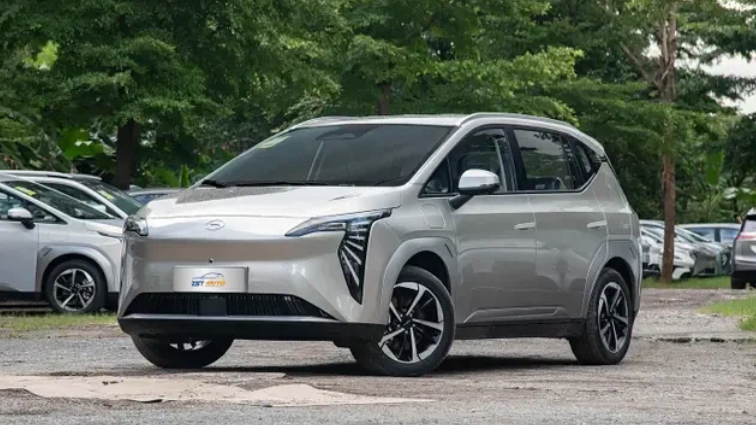
Larger batteries consume more energy over the lifetime of the vehicle due to increased mass and energy required for thermal management. For example, a vehicle with a 116 kWh battery may use 13–17% more energy per kilometer than one with a 28 kWh battery, particularly during urban driving where stop-and-go traffic requires frequent battery charging and energy-intensive heating or cooling.
The production of larger batteries generates more greenhouse gas emissions, contributing to the vehicle’s overall environmental footprint. Even though Electric SUVs produce zero tailpipe emissions, lifecycle emissions—including mining, manufacturing, and disposal of battery materials—should be considered.
Electric SUVs with larger batteries are typically more expensive. The purchase price, combined with potential increases in operational costs due to heavier weight and thermal management demands, must be weighed against the benefits of extended range. For buyers focused on both economy and sustainability, finding the optimal battery size is essential.
Electric SUVs equipped with smaller batteries—such as 28 kWh or 58 kWh—can still meet daily driving needs, especially for urban and rural commuters. Pairing these smaller batteries with fast charging technology enables long-distance travel without carrying a large, heavy battery. Benefits include:
· Lower vehicle cost
· Reduced weight, improving efficiency
· Smaller lifetime environmental footprint
While smaller batteries are more cost-effective, they may have higher energy demands for thermal management and rely more on frequent charging during extended trips. Fast charging is generally more expensive than home charging, so the total operational cost may increase for users relying heavily on public fast chargers.
A simulation analyzed the performance of Electric SUVs across three driver profiles over one year:
1. Urban commuter – frequent short trips, stop-and-go traffic
2. Rural commuter – moderate distances with limited charging options
3. Long-distance driver – regular highway trips exceeding 300 km per journey
Battery capacities evaluated included 28 kWh, 58 kWh, 87 kWh, and 116 kWh. The study accounted for vehicle mass, energy demands for thermal management, charging types, and ambient temperature effects.
· Energy Consumption: Larger batteries increase energy consumption by 13–17% from smallest to largest capacity.
· En-Route Charging: Long-distance drivers benefit most from larger batteries due to fewer charging stops, whereas urban and rural commuters see minimal reduction in charging frequency.
· Cost-Effectiveness: Smaller batteries paired with fast charging may offer better economic and environmental balance for city driving.
The study confirmed that larger batteries, while increasing range, lead to higher energy consumption due to greater vehicle mass and thermal management needs. For urban commuters, the efficiency gains from a larger battery are negligible compared to the additional weight and energy requirements.
· Urban Commuters: Frequent stops and short distances make very large batteries unnecessary. Smaller capacities with access to fast charging suffice.
· Rural Commuters: Moderate battery sizes strike a balance between cost and convenience, minimizing both operational cost and charging interruptions.
· Long-Distance Drivers: Larger batteries offer clear advantages by reducing en-route charging stops, saving time and improving travel convenience.
Battery Capacity | Energy Consumption Increase | Effect on En-Route Charging | Target Driver Type | Cost Implications |
28 kWh | Baseline | Most stops required | Urban/Rural | Lowest purchase cost |
58 kWh | +6–8% | Moderate reduction | Urban/Rural | Moderate cost |
87 kWh | +10–13% | Fewer stops | Long-distance | Higher cost |
116 kWh | +13–17% | Significant reduction | Long-distance | Highest cost |
Energy consumption is strongly influenced by climate. Cold weather increases battery heating needs, reducing range, while hot weather requires more cooling energy. These variations mean Electric SUVs with larger batteries may see improved range in extreme temperatures but also experience higher energy consumption for thermal management.
Urban commuters taking frequent, short trips exacerbate energy use because smaller batteries undergo multiple charge cycles and frequent thermal management adjustments. Optimizing battery size for driving patterns can mitigate unnecessary energy consumption and prolong battery life.
Collecting accurate, real-world energy consumption data is essential for consumers. Vehicle specifications often overestimate achievable range, so actual usage should guide battery selection.
Evaluate the total environmental impact of battery size, including production, operation, and disposal phases. Smaller batteries generally result in lower life-cycle emissions, making them more sustainable for city and short-distance driving.
Consumers should select battery size based on typical daily driving distances. Long-range batteries are ideal for highway and long-distance travel, while smaller batteries suffice for urban and rural commutes with occasional fast charging.
Q1: Does a larger battery always improve performance?
A: Not necessarily. While larger batteries extend range, they increase vehicle weight and energy consumption, especially in urban stop-and-go driving.
Q2: How much does vehicle weight affect efficiency for larger batteries?
A: Vehicle efficiency decreases with added weight, leading to 10–17% higher energy consumption for the largest batteries compared to smaller ones.
Q3: Can urban commuters benefit from larger batteries?
A: Generally, no. Frequent stops and short trips make smaller batteries paired with fast charging more practical.
Q4: How does fast charging impact battery health and costs?
A: Frequent fast charging may slightly degrade battery life and increase electricity costs compared to home charging but enables practical long-distance travel.
Q5: Are smaller batteries more environmentally friendly?
A: Yes. Smaller batteries require fewer raw materials, reduce manufacturing emissions, and often consume less energy over the vehicle’s lifetime.
Battery size is a key factor affecting an Electric SUV’s performance, efficiency, cost, and environmental impact. Larger batteries offer longer driving ranges, ideal for long-distance journeys, but increase vehicle weight, purchase price, and energy consumption. For urban and rural commuters, smaller batteries with fast-charging capabilities provide a more cost-effective and eco-friendly solution. Choosing the right battery requires balancing driving needs, operational costs, and sustainability goals. For businesses and individuals seeking reliable guidance on selecting the optimal Electric SUV battery, Fuzhou ZBT Supply Chain Management Co., Ltd. offers professional support, detailed insights, and tailored solutions. Explore their expertise to make informed decisions, optimize efficiency, and achieve both practical and environmental benefits, or contact them directly to learn more about the best options for your vehicle needs.


