- All
- Product Name
- Product Keyword
- Product Model
- Product Summary
- Product Description
- Multi Field Search

Views: 0 Author: Site Editor Publish Time: 2026-08-20 Origin: Site

Transitioning to a new vehicle requires moving beyond manufacturer spec sheets to evaluate how it handles the friction of daily commuting, family logistics, and mixed-road environments. Buyers face a saturated EV and hybrid market where advertised ranges and smart features often underperform in real-world conditions. The challenge is identifying whether a specific model offers genuine daily utility or just superficial tech additions. You need a vehicle that works reliably for school runs, highway merges, and tight parking structures. This analysis deconstructs the ARCFOX BT T1, evaluating its powertrain claims, interior modularity, technological integration, and visual personalization. We break down the mechanical realities to determine if it meets the rigorous demands of daily primary-vehicle usage without forcing you to compromise on cargo space or driving dynamics.
Range Reality: The advertised 425km electric range provides a solid baseline, but actual daily utility depends heavily on intelligent driving modes, climate, and charging infrastructure access.
Spatial Modularity: Features like the 260mm adjustable track position offer tangible advantages for balancing passenger comfort with the cargo requirements of daily essentials.
Tech-to-Utility Ratio: The 15.6" smart screen and advanced driver assistance systems must be evaluated on their ability to reduce driver cognitive load rather than simply acting as aesthetic focal points.
Adoption Profile: The ARCFOX BT T1 is best suited for urban-to-suburban commuters prioritizing cabin quietness (NVH), interior space, and crossover versatility over aggressive performance metrics.
Establishing the baseline requirements for a primary household vehicle means prioritizing predictable range, ergonomic comfort, cargo flexibility, and reliable software. A modern vehicle must function as a highly dependable tool for daily life. If the infotainment system lags during navigation or the cargo space cannot accommodate a standard stroller, the vehicle fails its primary mission. We evaluate utility based on how well the vehicle minimizes daily friction for the driver and passengers.
You need to look at specific operational metrics when evaluating a New Energy SUV for daily use. These metrics determine whether the vehicle will cause frustration or provide a smooth ownership experience:
Consistent battery performance across varying temperature ranges, especially during winter months.
Ergonomic seating that supports proper posture during long commutes to reduce driver fatigue.
Cargo dimensions that handle bulky items without requiring complete seat removal.
Software interfaces that respond instantly to touch inputs without system crashes.
Suspension tuning that absorbs urban potholes while maintaining stability at highway speeds.
Analyzing the crossover's ability to transition from stop-and-go city efficiency to sustained highway power reveals its true versatility. Urban driving demands responsive regenerative braking and tight turning radiuses for navigating narrow streets. Highway driving requires aerodynamic stability and sufficient passing power to merge safely. Weekend forest escapes test suspension articulation and traction control systems on loose gravel. A capable vehicle handles these environments without requiring the driver to constantly adjust drive modes manually.
Sloping rooflines often improve drag coefficients but compromise rear-seat headroom and cargo volume. Thick pillars improve crash test ratings but create severe blind spots that make lane changes dangerous. We look for designs that achieve aerodynamic goals without punishing the occupants inside the cabin. The balance between exterior styling and interior volume dictates the long-term satisfaction of the owner.
The advertised 425km electric range serves as a theoretical baseline rather than an absolute guarantee. Testing standards like WLTP, NEDC, and CLTC yield different results, with CLTC typically being the most optimistic. Real-world degradation occurs rapidly when relying heavily on HVAC systems during extreme weather or maintaining speeds above 110 km/h. Aerodynamic drag increases exponentially with speed, draining the battery faster on open highways compared to low-speed city driving.
Comparing this range against average daily commuting distances helps assess actual charging frequency. If your daily round trip is 50 kilometers, a real-world range of 300 kilometers easily covers a standard workweek without requiring a mid-week charge. However, if you regularly drive 150 kilometers a day, you will need reliable home charging infrastructure to avoid range anxiety. Understanding your specific driving profile is the first step in evaluating powertrain viability.
Driving Condition | HVAC Usage | Expected Range Retention |
|---|---|---|
Urban Stop-and-Go (Low Speed) | Mild / Off | 90% - 95% of advertised |
Mixed Highway/City (Moderate Speed) | Moderate (A/C on) | 80% - 85% of advertised |
Sustained Highway (110+ km/h) | Heavy (Heater on) | 65% - 75% of advertised |
The vehicle's software adapts torque delivery and regenerative braking to fit various road conditions. In heavy traffic, aggressive regenerative braking allows for one-pedal driving. This reduces driver fatigue by minimizing the need to pivot between the accelerator and brake pedal while recovering kinetic energy. On open highways, a coasting mode maintains momentum more efficiently. The system must interpret driver inputs accurately to prevent a jerky or unpredictable ride.
Assessing the transition smoothness between efficiency modes for city streets and performance modes for varied terrain is necessary. Sudden shifts in throttle mapping can disrupt passenger comfort and cause motion sickness. The powertrain aims to blend these transitions, ensuring that when you demand sudden acceleration for a highway merge, the power delivery is immediate but linear. You want a predictable throttle response regardless of the selected driving mode.
Expected fast-charging times dictate the viability of long road trips. Benchmarking against the industry standard of approximately 40 minutes to charge from 10% to 80% provides a realistic expectation for highway rest stops. AC home charging remains the most practical solution for daily replenishment. A standard 7kW home charger will fully replenish the battery overnight, making public charging speeds irrelevant for daily commuting.
Thermal management systems directly impact battery longevity and charging efficiency. Active liquid cooling and heating systems keep the battery cells within their optimal temperature window. This prevents rapid degradation in hot climates and ensures the battery can accept fast-charging currents even in freezing winter conditions. A robust thermal management system is non-negotiable for long-term battery health.
Evaluating the mechanical implementation of passenger space adjustments reveals significant utility. The 260mm adjustable track position allows the rear seats to slide forward or backward. This mechanical flexibility lets owners prioritize rear legroom for adult passengers or expand the trunk volume for bulky cargo. The sliding rails must operate smoothly and lock securely to prevent rattling during transit. Flimsy rail mechanisms will degrade over time, causing annoying cabin noises.
Practical scenarios highlight the value of this feature. Accommodating daily essentials like groceries, strollers, and sports gear becomes effortless. Pushing the seats back provides the necessary clearance for bulky rear-facing child seats without forcing the front passenger to sit uncomfortably close to the dashboard. Folding the seats down expands the flat-floor cargo space for larger transport needs, such as moving furniture or loading camping equipment.
Track Position | Primary Benefit | Ideal Use Case |
|---|---|---|
Fully Forward | Maximum Cargo Volume | Transporting large boxes, golf clubs, or multiple suitcases. |
Centered | Balanced Space | Standard daily commuting with children and groceries. |
Fully Rearward | Maximum Legroom | Accommodating tall adult passengers or rear-facing child seats. |
Assessing the structural dampening required to maintain a quiet cabin is essential for an electric platform. Without a combustion engine to mask road and wind noise, tire roar becomes highly noticeable. High-quality acoustic glass, dense sound-deadening foam in the wheel arches, and rigid chassis construction are necessary to achieve premium NVH (Noise, Vibration, Harshness) levels. Poor NVH engineering leads to a fatiguing driving experience on the highway.
When inspecting a vehicle for NVH quality, you should check several specific areas:
Thickness of the side window glass (dual-pane acoustic glass is preferred).
Presence of felt or soft-touch materials inside the wheel well liners to absorb water and gravel noise.
Tightness of the door seals and weather stripping around the tailgate.
Vibration levels felt through the steering wheel and floorboards at highway speeds.
The role of high-fidelity audio systems extends beyond music playback. A well-tuned audio system helps mask residual road noise, enhancing the daily commute. Clear audio separation and deep bass response create an immersive environment that isolates occupants from the chaos of urban traffic. The speaker enclosures must be rigidly mounted to prevent door panel rattling at high volumes.
Evaluating the trade-offs of a massive glass roof involves balancing natural light with thermal load. A 2.34m² panoramic sunroof dramatically improves spatial perception, making the cabin feel airy and expansive. However, large glass panels can create a greenhouse effect, forcing the air conditioning system to work harder and subsequently reducing the vehicle's driving range. You must consider your local climate when evaluating this feature.
The necessity of UV and IR blocking glass cannot be overstated. Advanced coatings reflect solar radiation, keeping the interior cooler. A physical sunshade remains a critical feature for peak summer months, providing a mechanical barrier against intense heat and glare that chemical glass treatments cannot fully mitigate. Relying solely on tinted glass without a retractable shade often results in an uncomfortable cabin during midday sun exposure.
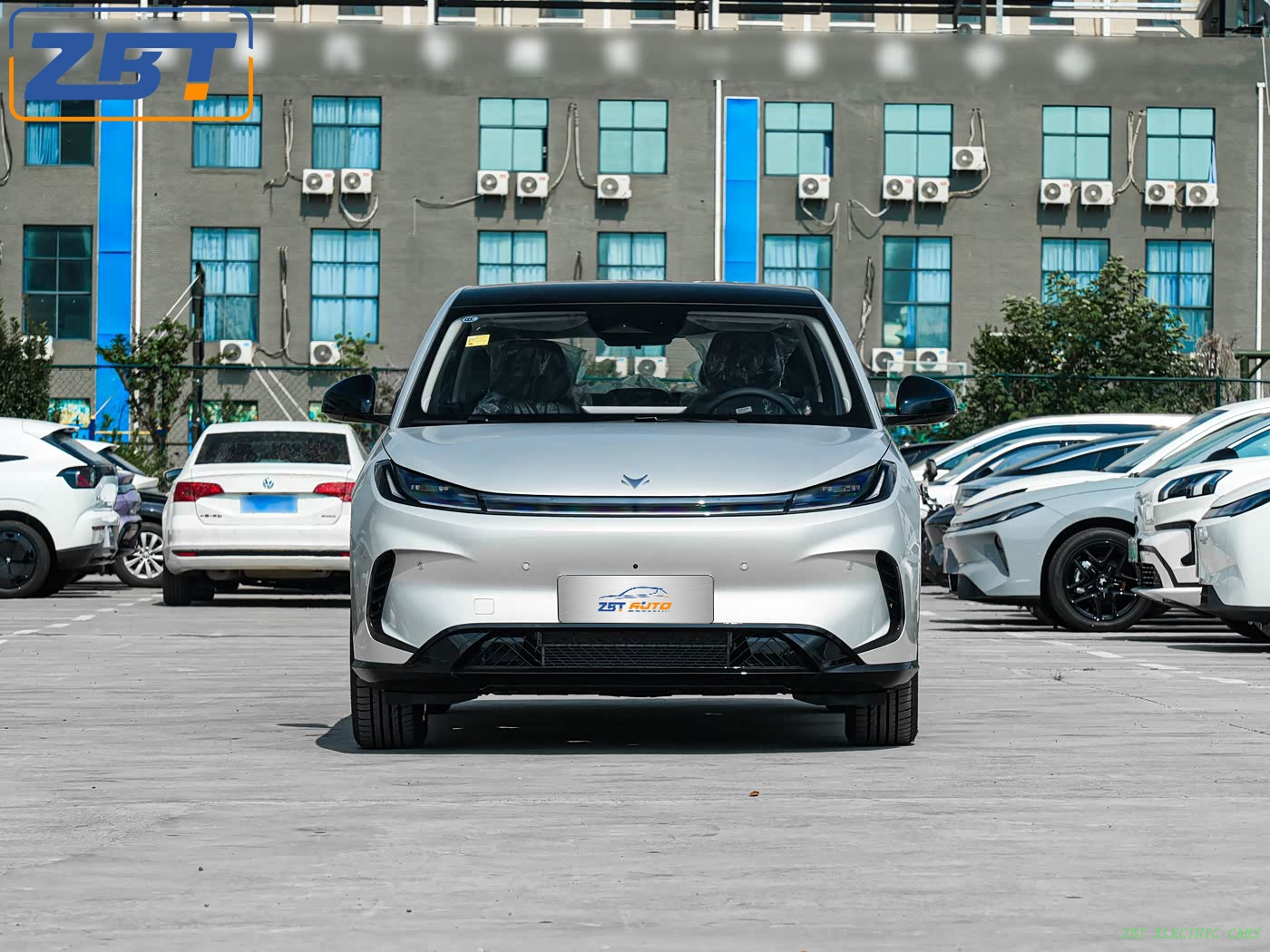
Evaluating the range of exterior hues shows how the vehicle allows drivers to choose a color that matches their visual personality and mood. Paint options go beyond standard monochrome palettes, offering finishes that shift under different lighting conditions. The exterior color is often the first point of emotional connection between the driver and the vehicle. High-quality metallic and pearlescent flakes add depth to the finish.
Balancing a striking, modern crossover silhouette with aerodynamic requirements is a complex engineering task. Sharp creases and aggressive front fascias often create drag. The design must channel air smoothly over the hood, around the wheels, and off the rear tailgate to maximize the 425km range. Flush door handles and aero-optimized wheels contribute to this efficiency without compromising the visual appeal. Every exterior curve serves a functional aerodynamic purpose.
Assessing paint quality and exterior trim resilience is vital for vehicles parked in dense urban environments. Clear coat thickness determines how well the paint resists swirl marks from automatic car washes and etching from bird droppings. Plastic cladding around the wheel arches and lower bumpers protects the painted surfaces from stone chips and minor parking lot abrasions. Unpainted textured plastics hide scratches better than gloss-painted lower trims.
The longevity of exterior lighting housings also matters. Polycarbonate headlight lenses must feature robust UV protection to prevent yellowing and hazing over time. Durable exterior finishes ensure the vehicle maintains its visual appeal and structural integrity through years of daily exposure to the elements. Inspecting the panel gaps and paint consistency across different body panels reveals the manufacturer's quality control standards.
Assessing the UI/UX involves analyzing the menu depth for critical controls. Burying essential functions like HVAC adjustments or windshield wipers behind multiple submenus creates a dangerous cognitive load for the driver. While a 15.6" smart screen offers massive real estate for navigation and media, the retention of physical buttons or fixed digital shortcuts for climate control is necessary for safe operation. You should not have to take your eyes off the road for three seconds just to adjust the fan speed.
System latency dictates the user experience. Touch inputs must register instantly, mirroring the responsiveness of a modern smartphone. Over-the-air (OTA) update capabilities allow the manufacturer to refine the software, patch bugs, and introduce new features long after the initial purchase. Seamless smartphone integration ensures drivers can access their preferred navigation and audio apps without relying solely on the native interface. A laggy screen ruins the entire driving experience.
The real-world efficacy of lane-keeping, adaptive cruise control, and automated parking defines the utility of ADAS in dense urban environments. Adaptive cruise control must react smoothly to vehicles cutting into your lane, avoiding panic braking. Automated parking systems need to recognize tight parallel spaces quickly and execute the maneuver without curbing the wheels. Systems that require perfect lane markings to function are useless on poorly maintained city streets.
Sensor suites comprising cameras, radar, and ultrasonics must remain reliable in adverse weather. Heavy rain, snow, or direct sunlight can blind optical cameras. Millimeter-wave radar provides a necessary redundancy, penetrating fog and rain to maintain distance tracking. A robust system alerts the driver when sensors are obscured rather than disengaging silently. You need to trust that the vehicle will warn you before handing back manual control in a dangerous situation.
Benchmarking against similar options requires a pragmatic look at specifications. When evaluating the vehicle against rivals like the Geometry C, buyers must compare the 425km range to 550km alternatives. A larger battery provides a wider safety margin for unexpected detours or severe weather degradation. Analyzing torque profiles around the 310 NM mark helps determine if the vehicle offers sufficient low-end punch for quick overtakes on two-lane roads.
Price-to-feature ratio analysis involves weighing battery technology and charging speeds. Vehicles utilizing advanced battery chemistries, such as CATL equivalents, often provide better thermal stability and longer lifecycles. Buyers must decide if premium interior materials and advanced screen technology outweigh the raw utility of a longer-range battery found in competing models. You are trading absolute maximum range for interior modularity and digital refinement.
Feature Matrix | ARCFOX BT T1 | Long-Range Competitor (e.g., Geometry C) |
|---|---|---|
Advertised Range | 425 km | Up to 550 km |
Torque Output | Optimized for smooth urban delivery | ~310 NM |
Infotainment | 15.6" Smart Screen | Standard Digital Display |
Interior Modularity | 260mm Adjustable Track Position | Fixed Rear Seating |
Roof Configuration | 2.34m² Panoramic Sunroof | Standard Sunroof |
The availability of certified technicians and spare parts directly impacts vehicle uptime. A technologically advanced vehicle requires specialized diagnostic equipment and high-voltage certified mechanics. If a local service center lacks the necessary parts for a suspension repair or a sensor replacement, a minor collision can result in weeks of downtime. You must verify the proximity and capability of the nearest authorized service center before committing to a purchase.
Warranty structures for the high-voltage battery and drivetrain provide a safety net against catastrophic failures. Buyers must scrutinize the fine print regarding battery capacity retention guarantees. A strong warranty typically covers the battery if it degrades beyond 70% of its original capacity within an eight-year timeframe. Read the exclusions carefully to ensure that using third-party fast chargers does not void your powertrain warranty.
The risk of software bugs impacting drivability is a reality for heavily digitized vehicles. Glitches can cause infotainment crashes, disable climate controls, or trigger false ADAS warnings. The manufacturer's track record for deploying corrective OTA updates quickly is a critical factor in long-term satisfaction. You do not want to wait months for a dealership visit just to fix a software bug that drains the 12V battery.
A solid mitigation strategy involves verifying warranty terms regarding software-induced hardware failures. If a faulty thermal management update damages the battery cells, the manufacturer must bear the replacement responsibility. Understanding how the vehicle handles offline functionality when cellular connections drop ensures you are never stranded by a server outage. The vehicle must retain basic driving and climate functions even if the central screen goes blank.
Schedule a test drive specifically to evaluate the UI responsiveness of the 15.6" screen while navigating heavy traffic.
Drive over varied pavement surfaces, including cobblestone or broken asphalt, to verify the NVH dampening and cabin quietness.
Physically adjust the 260mm track position during your inspection to test the cargo capacity against your specific daily essentials like strollers or golf clubs.
Assess your home electrical panel with a certified electrician to confirm it can support a dedicated 7kW Level 2 charging station.
A: While advertised at 425km, real-world range fluctuates based on extreme weather, highway speeds, and intelligent driving modes. Heavy HVAC use and sustained speeds above 110 km/h will reduce this figure. For typical urban and suburban commuting, expect a reliable range that easily covers daily driving needs with overnight home charging.
A: It stands out through spatial modularity, specifically the sliding rear seats, and a massive 15.6" screen. When benchmarking against longer-range competitors like the Geometry C, this model trades maximum range for premium interior flexibility, advanced NVH dampening, and a highly digitized cabin experience.
A: It can be if menus are poorly navigated while in motion. However, the UI layout prioritizes essential driving data, and voice commands allow drivers to adjust HVAC or media without taking their eyes off the road. Familiarization with the digital shortcuts significantly reduces cognitive load over time.
A: The rear seats are mounted on a mechanical sliding rail system. You can push the seats backward to maximize passenger legroom or slide them forward to increase trunk space for daily essentials. This mechanism provides dynamic cargo flexibility without requiring you to fold the seats down completely.
A: It supports both AC home charging and DC fast charging. A standard Level 2 AC home charger will fully replenish the battery overnight. At a compatible DC fast-charging station, you can expect rapid charge benchmarks of approximately 40 minutes to bring the battery from 10% to 80% capacity.
A: The 2.34m² glass panel can increase thermal load in direct sunlight. However, it utilizes UV and IR blocking glass treatments to reflect heat and protect occupants. Using the integrated sunshade and the vehicle's HVAC system effectively mitigates the greenhouse effect during peak summer months.
A: The vehicle offers a diverse range of exterior hues designed to match driver personality and mood. These options move beyond standard monochrome palettes, featuring dynamic finishes that highlight the modern crossover silhouette while maintaining the durable clear coats necessary for urban environments.


