- All
- Product Name
- Product Keyword
- Product Model
- Product Summary
- Product Description
- Multi Field Search

Views: 0 Author: Site Editor Publish Time: 2026-08-17 Origin: Site

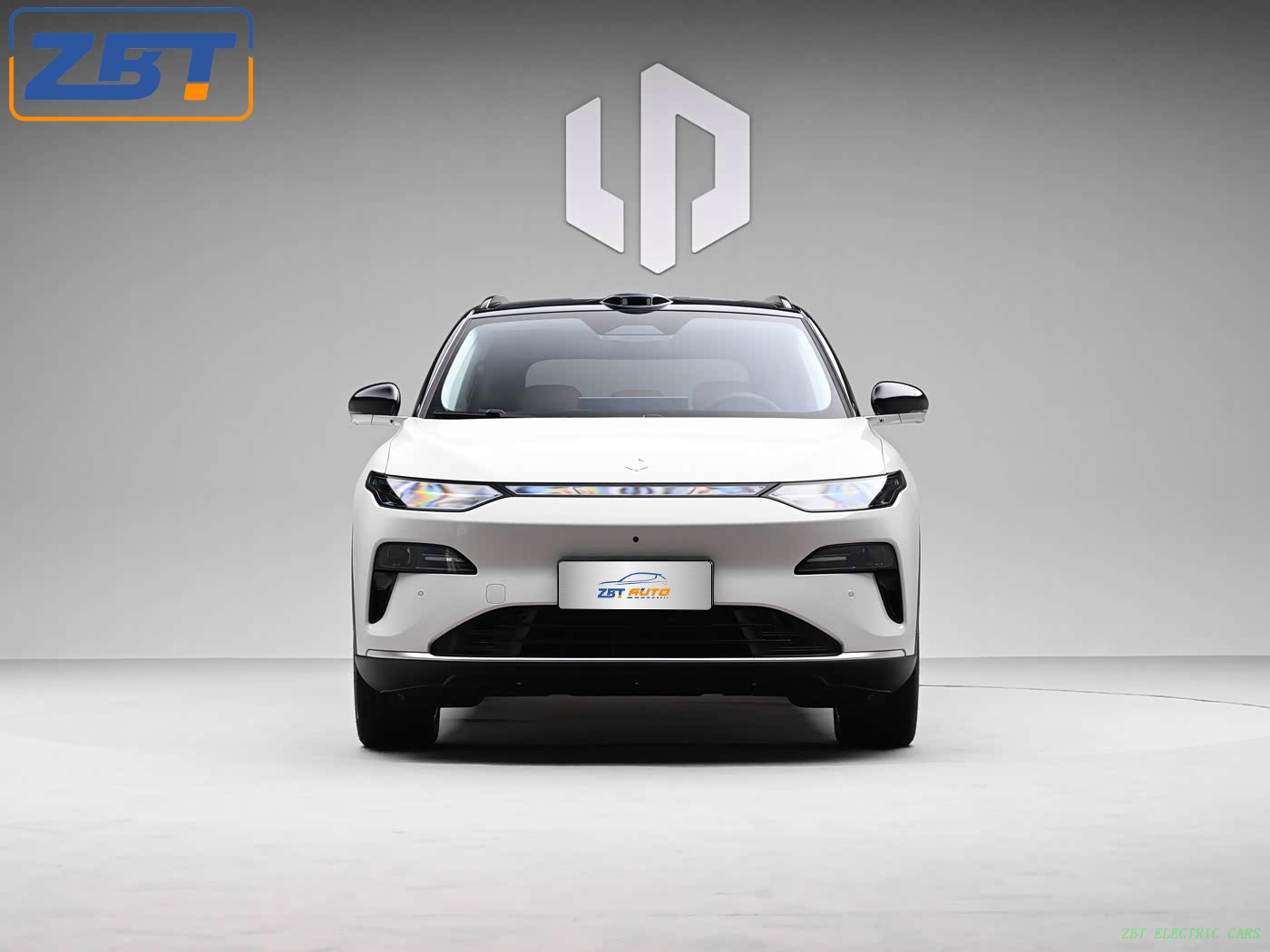
The mid-size crossover EV market is heavily saturated. Buyers face a specific challenge today. You must filter out aggressive marketing hype to find a vehicle that genuinely meets daily family demands. Families require a delicate balance. You need spaciousness, verifiable safety, reliable range, and ride comfort. However, premium EV features often carry prohibitive barriers to entry. Buyers need to know if budget-friendly options compromise on long-term reliability or safety. The Leapmotor C11 emerges as a primary candidate in the tech luxury segment. Recent major upgrades keep it highly competitive against newer rivals. This evaluation provides an objective, evidence-based look at its performance and build quality. You will discover if this Family SUV belongs on your final shortlist.
Powertrain Flexibility: The availability of both Battery Electric Vehicle (BEV) and Extended Range Electric Vehicle (EREV) configurations allows buyers to tailor the vehicle to their specific commuting and road-trip requirements.
Premium Ride Architecture: Utilizing a double-wishbone front and multi-link rear suspension—typically reserved for higher-priced tiers—provides superior ride comfort and stability for family transport.
High-Value Feature Set: Offers luxury-tier interior amenities (e.g., 8-point massage seats, all-around heating) at a highly competitive price point within the mid-size family SUV segment.
Calculated Trade-Offs: While upfront value is high, buyers must weigh potential adoption risks regarding long-term software support, brand depreciation, and regional service infrastructure.
You must establish strict baseline requirements for a modern family vehicle. A successful crossover cannot merely look good on paper. It must endure the physical realities of daily family transport. Space and ergonomics sit at the top of this priority list. You need genuine rear-seat legroom for growing teenagers. Parents require wide door openings for car seat accessibility. Versatile cargo capacity is non-negotiable for strollers, groceries, and sporting equipment. When you load a vehicle with four passengers and their luggage, the suspension and drivetrain must handle the extra weight without sagging or losing significant acceleration.
Range and reliability directly impact your daily stress levels. Families experience travel anxiety when range estimates fluctuate wildly. You need predictable battery performance in varying weather conditions. Winter range degradation must remain within acceptable margins to ensure safe school runs and commutes. Cold weather naturally reduces lithium-ion battery efficiency. A reliable vehicle mitigates this through efficient heat pump systems and intelligent thermal management.
Safety and technology integration form the next pillar. You require verifiable active and passive safety systems. The vehicle must protect occupants during unexpected collisions. Furthermore, the infotainment system must remain intuitive. Complex, distracting touchscreens create dangerous driving conditions. You need quick access to climate controls and navigation without taking your eyes off the road for extended periods.
Finally, aesthetics and aerodynamics play a vital role. An elegant exterior design appeals to modern buyers. More importantly, a sleek profile reduces aerodynamic drag. Lower drag coefficients maximize electric efficiency. This extends your driving range and reduces charging frequency. Flush door handles and optimized wheel designs contribute directly to how far you can drive on a single charge.
You must align your propulsion choice with your actual travel habits. The vehicle offers two distinct pathways. Each configuration solves specific mobility challenges based on how far and how often you drive.
The BEV model targets families with predictable daily routes. You can choose between different battery capacity tiers. The standard rear-wheel-drive configuration provides ample power for urban environments. Buyers seeking better traction in adverse weather should consider the all-wheel-drive performance variant. Dual motors deliver rapid acceleration and superior grip on slippery roads, pulling the heavy chassis out of snow or mud with ease.
You must evaluate real-world range against manufacturer claims. The benchmark "up to 580km CLTC" represents ideal testing conditions. Typical family loads, highway speeds, and climate control usage reduce this figure. You should expect a practical real-world range closer to 400-450km. This remains highly adequate for weekly errands and suburban school runs. Highway driving drains EV batteries faster than city driving because there are fewer opportunities for regenerative braking to recover energy.
Charging curve efficiency determines your downtime. The BEV accepts DC fast charging readily. You can replenish the battery from 20% to 80% during a standard grocery run. Home charging integration offers the ultimate convenience. Plugging into a Level 2 wall box overnight ensures a full battery every morning. This eliminates the need for dedicated charging station visits during your busy work week.
The EREV configuration provides a strategic advantage for unpredictable travel. This system uses a small internal combustion engine. However, the engine never drives the wheels directly. It acts solely as an onboard generator. The generator charges the battery pack while you drive. Electric motors always handle the actual propulsion, maintaining the smooth acceleration characteristics of an EV.
You must consider the NVH (Noise, Vibration, and Harshness) impact. The generator engages automatically during depleted battery states. You will notice a slight hum when the engine activates. Engineers have isolated this vibration well, but it remains perceptible compared to pure electric silence. The transition feels smooth and does not disrupt passenger comfort. The engine runs at optimal RPMs to generate electricity efficiently, rather than revving up and down with your accelerator pedal.
Families taking frequent remote road trips benefit immensely from the EREV. Charging infrastructure remains sparse in rural areas. The range extender eliminates range anxiety entirely. You can refuel the generator at any standard gas station. This flexibility allows you to explore national parks or visit distant relatives without planning meticulous charging stops.
Specification | Pure Electric (BEV) | Range Extender (EREV) |
|---|---|---|
Primary Propulsion | Battery and Electric Motors | Battery and Electric Motors |
Secondary Power Source | None | Gasoline Generator (charges battery) |
Ideal Use Case | Urban commuting, predictable routes | Long road trips, rural areas |
Refueling Method | EV Charging Stations / Home Wallbox | Gas Stations + EV Charging |
Maintenance Requirements | Low (Tires, brakes, cabin filter) | Moderate (Requires oil changes for generator) |
Interior specifications mean nothing if they fail daily utility tests. You must translate feature lists into real-world family benefits. The cabin must withstand spills, scuffs, and constant use from active children.
Interior material durability is paramount. The synthetic leather options resist stains effectively. You can wipe away juice spills and mud with a damp cloth. The implementation of tech luxury features elevates the daily commute. The 8-point massage function relieves lower back tension during traffic jams. Seat heating and ventilation maintain optimal body temperatures across all seasons. Ventilated seats pull moisture away from your back during humid summer afternoons.
Rear passenger comfort receives equal attention. Climate control vents distribute air evenly to the back seats. This prevents children from overheating in summer. ISOFIX anchor accessibility simplifies car seat installation. The anchors sit clearly visible between the seat cushions. You do not need to dig blindly to secure the base. The generous wheelbase provides ample physical space for bulky rear-facing child seats without cramping the front passenger. Front occupants can maintain a safe distance from the dashboard airbag.
A true Family SUV requires intelligent storage. The main trunk volume easily swallows a double stroller alongside weekly groceries. Folding the rear seats down creates a massive, flat loading floor. This configuration handles hardware store runs or flat-pack furniture boxes effortlessly. The load lip sits relatively low, making it easier to lift heavy items into the back.
The BEV model includes a highly practical front trunk. This enclosed space perfectly isolates wet or dirty items. You can store muddy hiking boots or gym bags away from the main cabin. In-cabin storage solutions keep daily clutter organized. Deep door bins hold large water bottles securely. The under-console storage area easily accommodates a medium-sized diaper bag or a handbag, keeping it out of the footwell.
Storage Area | Practical Application |
|---|---|
Main Rear Trunk | Strollers, large suitcases, weekly groceries |
Front Trunk (BEV only) | Charging cables, muddy shoes, isolated wet gear |
Under-Console Tray | Handbags, diaper bags, tissue boxes |
Deep Door Bins | Oversized water bottles, umbrellas, tablets |
You must assess how the vehicle handles the physical realities of family transport. A harsh ride causes fatigue. Excessive body roll induces motion sickness in rear passengers. The suspension architecture directly dictates your comfort on rough pavement.
The vehicle utilizes a double-wishbone front and multi-link rear suspension. Automakers typically reserve this setup for premium luxury tiers. Most budget crossovers use cheaper MacPherson struts. The double-wishbone design controls wheel camber precisely during cornering. This keeps the tire contact patch flat against the road. The multi-link rear setup allows each wheel to react independently to bumps without upsetting the opposite side of the vehicle.
This architecture delivers tangible benefits for family transport. It significantly mitigates body roll during sharp turns or evasive maneuvers. The vehicle remains planted and stable. The suspension absorbs urban potholes and aggressive speed bumps with ease. This refined damping prevents harsh jolts from reaching the cabin. Smoother rides directly reduce the likelihood of children experiencing motion sickness on winding roads.
Highway cruising demands excellent cabin insulation. Acoustic glass and dense sound-deadening materials block exterior noise. Wind noise remains minimal even at high cruising speeds. Tire roar is effectively suppressed, allowing passengers to converse without raising their voices. This quiet environment helps younger children sleep peacefully during long journeys. Electric vehicles lack engine noise, which often makes wind and tire noise more prominent. Proper insulation is mandatory.
Regenerative braking calibration requires careful evaluation. Aggressive regeneration causes jerky deceleration. This abrupt pitching motion frustrates passengers. Fortunately, the system allows for granular adjustments. You can set the regeneration to a lower level. This mimics the coasting feel of a traditional automatic transmission. Smooth deceleration ensures a comfortable ride for everyone on board. Drivers can gradually increase the regeneration level as they become accustomed to one-pedal driving.
Modern families expect seamless digital ecosystems and robust protective measures. You must scrutinize both the entertainment value and the crash safety ratings to ensure the vehicle meets current standards.
The multi-screen dashboard layout dominates the front cabin. It features a dedicated driver display, a central hub, and a passenger screen. The driver display presents critical speed and navigation data clearly. The central hub manages climate, media, and vehicle settings. The UI/UX responsiveness feels snappy, driven by high-performance processors. Menus load quickly without frustrating lag. You do not have to press the screen multiple times to register a command.
The dedicated passenger screen offers immense practical utility for long journeys. The front passenger can stream videos or control music independently. They can connect Bluetooth headphones to avoid distracting the driver. This feature transforms tedious road trips into relaxing experiences for the co-pilot. Software stability remains strong, with minimal system crashes reported during daily operation. Over-the-air updates continuously refine the interface and add new applications.
The suite of Advanced Driver Assistance Systems reduces highway fatigue. Adaptive cruise control maintains safe following distances automatically. It accelerates and brakes smoothly in stop-and-go traffic. Lane-keeping assist centers the vehicle smoothly without aggressive steering corrections. Automatic emergency braking provides a critical safety net. It detects sudden obstacles and applies maximum braking force to prevent collisions. Blind-spot monitoring alerts you to vehicles hiding in your peripheral vision.
Structural integrity forms the core of passenger protection. The chassis utilizes a high percentage of high-strength steel. This rigid safety cell resists deformation during impacts. Side-impact door beams and multiple airbags protect occupants from all angles. Independent crash test ratings confirm the effectiveness of these structural choices. You can trust the vehicle to protect your family in worst-case scenarios. The battery pack also features heavy-duty shielding to prevent puncture and thermal runaway during a severe crash.
You must contextualize the financial proposition. High feature counts look impressive, but you need to understand the underlying market strategy. Budget-friendly positioning always involves calculated compromises in manufacturing.
The manufacturer employs an aggressive market strategy. They undercut legacy automakers significantly while offering superior standard equipment. Recent major model upgrades enhance this feature ratio. The inclusion of premium suspension and multi-screen layouts keeps the vehicle highly competitive against newer market entries. You get hardware typically found in vehicles costing significantly more.
You must analyze the standard equipment list carefully. Many competitors charge extra for advanced driver assistance, panoramic sunroofs, or premium audio systems. Here, most luxury features come standard. This transparent approach simplifies the buying process. You avoid the frustrating experience of adding expensive optional packages just to get basic family necessities like a power tailgate or heated seats.
You must address the realistic compromises. Achieving this value proposition requires cost-saving measures in less critical areas. You might notice slight variations in panel gap tolerances compared to premium German rivals. These exterior imperfections do not affect performance, but they reflect the manufacturing budget. Paint finishes might lack the deep luster found on high-end luxury SUVs.
Interior plastic quality in lower-visibility areas feels slightly harder. The materials below the knee line prioritize durability over tactile luxury. Additionally, the ADAS calibration, while safe, may lack the ultimate refinement of established legacy brands. Lane centering might occasionally hunt for the lines on poorly marked roads. You accept these minor trade-offs in exchange for massive upfront savings. The core mechanical components remain robust.
Preparing for the realities of ownership prevents future frustration. Purchasing from a newer EV brand carries inherent implementation risks. You must evaluate the long-term support structure before signing any paperwork.
Modern EVs rely heavily on Over-The-Air updates. The manufacturer must maintain a strong track record for software bug resolution. Occasional infotainment glitches require prompt patches. You are trusting the brand to support the vehicle's digital ecosystem for years to come. If the software team stops pushing updates, the infotainment system will eventually feel outdated and sluggish.
Warranty terms provide crucial peace of mind. You must review the specific guarantees for the battery pack and drivetrain. Robust warranties protect you against premature battery degradation or motor failure. Understand the exact percentage of capacity loss required to trigger a battery replacement claim. Industry standards typically cover the battery for eight years or 120,000 kilometers, guaranteeing at least 70% capacity retention.
You face the inherent risk of purchasing from a newer EV startup. Brand longevity remains a valid concern. You must ensure long-term parts availability. Collision repairs require a steady supply of body panels, windshields, and sensors. Evaluate the regional service center network. You need certified technicians within a reasonable driving distance. Independent mechanics often lack the high-voltage training required to service complex EV drivetrains.
Provide a realistic outlook on depreciation. Newer brands typically experience steeper initial depreciation curves compared to established market leaders. Brand perception heavily influences the used car market. You should plan to keep the vehicle for a longer duration to offset this initial value drop. Trading it in after just two years will likely result in a significant financial hit. Keeping the vehicle for five to seven years maximizes your return on investment.
The vehicle stands as a highly compelling family crossover. It successfully balances high-end suspension architecture and luxury features against a budget-friendly market position. The recent upgrades solidify its status as a serious contender in the mid-size segment. It delivers genuine space, comfort, and technological convenience without forcing you to empty your savings account.
You should add this to your shortlist if you prioritize interior space, ride comfort, and maximum feature-per-dollar value. Families who suffer from range anxiety will find immense peace of mind in the EREV configuration. However, you should skip this option if you require established legacy brand support. Buyers demanding immediate proximity to extensive dealer networks or flawless, top-tier software ecosystems may prefer traditional automakers.
Take these clear next steps to finalize your decision:
Schedule an extended test drive that includes both highway cruising and rough urban roads to test the suspension damping.
Bring your current child car seats to the dealership to test rear-facing fitment and ISOFIX accessibility firsthand.
Test the regenerative braking settings to ensure the deceleration feel matches your personal driving style.
Verify the exact location and capacity of the nearest certified service center to ensure maintenance convenience.
A: It is strictly a 5-seater mid-size SUV. It features a standard two-row layout. This configuration maximizes legroom for second-row passengers and provides a highly spacious rear cargo area instead of cramming in a compromised third row.
A: The BEV relies entirely on battery power and must be plugged in to recharge. The EREV includes a battery and electric motors, plus a small gas engine that acts as a generator to recharge the battery while driving.
A: While official CLTC estimates claim up to 580km for the BEV, real-world family driving yields different results. With climate control active, highway speeds, and passenger loads, expect a practical range closer to 400-450km per full charge.
A: No, it does not use air suspension. It utilizes a high-quality mechanical setup featuring a double-wishbone front and a multi-link rear coil suspension. This provides excellent comfort and stability without the long-term maintenance complexity of air bladders.
A: Yes. The BEV model offers both a standard Rear-Wheel Drive configuration for daily efficiency and an All-Wheel Drive dual-motor performance version for buyers needing maximum traction and faster acceleration.
A: Yes. It features a rigid safety cage built with a high percentage of high-strength steel. It also includes a comprehensive suite of active safety features like automatic emergency braking, lane-keeping assist, and adaptive cruise control.
A: Using a standard DC fast charger, the BEV model can typically charge from 20% to 80% capacity in approximately 30 to 40 minutes. Level 2 home charging will take overnight for a full replenishment.


